

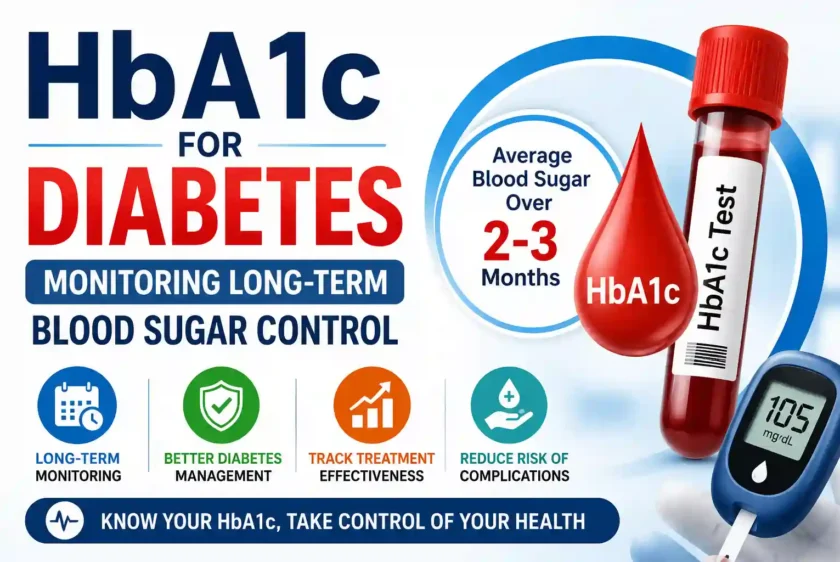
What Is the HbA1c Test?
Managing diabetes requires more than checking your blood sugar occasionally. While daily glucose readings provide useful information, they only show your blood sugar at a specific moment. In contrast, the HbA1c test measures your average blood sugar levels over the previous two to three months.
As a result, healthcare providers use this test to diagnose diabetes, identify prediabetes, and monitor long-term blood sugar control.
Did You Know?
The HbA1c test is considered one of the most reliable methods for evaluating long-term diabetes management because it reflects average blood glucose levels over several weeks rather than a single day.
Quick Overview of the HbA1c
| Feature | Details |
|---|---|
| Test Name | HbA1c (Glycated Hemoglobin) |
| Purpose | Diabetes Diagnosis & Monitoring |
| Sample Type | Blood Sample |
| Fasting Required | Usually No |
| Monitoring Period | Previous 2–3 Months |
| Recommended For | Diabetes & Prediabetes Screening |
Why Is the HbA1c Important?
Blood sugar levels can change throughout the day due to meals, exercise, stress, and medications. Therefore, a single blood sugar reading may not provide a complete picture.
The HbA1c test helps:
- Diagnose diabetes
- Identify prediabetes early
- Monitor long-term blood sugar control
- Evaluate treatment effectiveness
- Reduce the risk of diabetes complications
- Support better healthcare decisions
Furthermore, regular HbA1c testing can help prevent complications affecting the heart, kidneys, nerves, and eyes.
Two-Column Content Section
Left Card: Benefits of HbA1c Testing
Long-Term Monitoring
Tracks average blood sugar levels over 2–3 months.
Early Detection
Helps identify prediabetes before symptoms become severe.
Treatment Evaluation
Shows whether medications and lifestyle changes are working.
Complication Prevention
Supports early intervention to reduce health risks.
Right Card: Who Should Get Tested?
- You should consider an HbA1c test if you:
- Have a family history of diabetes
- Have high blood pressure
- Have elevated cholesterol levels
- Have excess weight or obesity
- Lead a physically inactive lifestyle
- Experience excessive thirst or frequent urination
- Have been diagnosed with prediabetes
- Are currently managing diabetes
How Does the HbA1c Work?
Red blood cells contain hemoglobin, a protein that carries oxygen throughout the body. When glucose enters the bloodstream, some of it naturally attaches to hemoglobin.
Over time, the amount of glucose attached to hemoglobin increases when blood sugar remains elevated. Consequently, the HbA1c percentage reflects your average blood sugar control during the previous two to three months.
Unlike daily blood glucose testing, HbA1c provides a broader picture of overall diabetes management.
HbA1c Normal Range Chart
Understanding your HbA1c results is essential for managing diabetes effectively.
| HbA1c Result | Interpretation |
|---|---|
| Below 5.7% | Normal |
| 5.7% – 6.4% | Prediabetes |
| 6.5% or Higher | Diabetes |
| Above 7.0% | May Indicate Poor Blood Sugar Control |
However, target levels may vary depending on age, medical history, and treatment goals.
HbA1c vs Blood Sugar Test
Many people assume these tests are the same. However, they serve different purposes.
| Feature | HbA1c Test | Blood Sugar Test |
|---|---|---|
| Measures | Average Blood Sugar (2–3 Months) | Current Blood Sugar |
| Fasting Required | Usually No | Sometimes |
| Long-Term Monitoring | Excellent | Limited |
| Diabetes Diagnosis | Yes | Yes |
| Treatment Assessment | Highly Effective | Moderate |
Therefore, healthcare providers often use both tests together for comprehensive diabetes management.
Common Symptoms of High Blood Sugar
Persistent high blood sugar may lead to symptoms such as:
- Frequent urination
- Increased thirst
- Excessive hunger
- Fatigue
- Blurred vision
- Slow wound healing
- Recurrent infections
- Unexplained weight loss
If you experience these symptoms, consult a healthcare professional and consider diabetes screening.
How Often Should You Get an HbA1c Test?
The recommended testing frequency depends on your health status.
| Condition | Recommended Frequency |
|---|---|
| At Risk of Diabetes | Every 1–3 Years |
| Prediabetes | Annually |
| Controlled Diabetes | Every 6 Months |
| Uncontrolled Diabetes | Every 3 Months |
Additionally, your healthcare provider may recommend more frequent testing if treatment changes are required.
Five Ways to Improve HbA1c Levels
1. Follow a Balanced Diet
Choose whole grains, vegetables, lean proteins, and fiber-rich foods. Meanwhile, limit sugary drinks and processed snacks.
2. Exercise Regularly
Aim for at least 150 minutes of moderate physical activity each week. For example, walking, cycling, and swimming can help improve insulin sensitivity.
3. Take Medications as Prescribed
Following your treatment plan consistently can significantly improve blood sugar control.
4. Monitor Blood Sugar
Regular monitoring helps identify patterns and supports informed healthcare decisions.
5. Manage Stress
Because stress can affect glucose levels, relaxation techniques and quality sleep are important for overall health.
Why Choose Nayab Labs for HbA1c Testing?
At Nayab Labs & Diagnostic Centre, we provide accurate and reliable HbA1c testing using advanced laboratory technology and strict quality standards.
Our Advantages
- Accurate Results
- Experienced Professionals
- International Quality Standards
- Fast Reporting
- Modern Diagnostic Facilities
- Trusted Healthcare Partner
Frequently Asked Questions
Is fasting required before an HbA1c test?
No. Most people do not need to fast before an HbA1c test.
What is a normal HbA1c level?
A normal HbA1c level is generally below 5.7%.
Can HbA1c diagnose diabetes?
Yes. An HbA1c level of 6.5% or higher may indicate diabetes.
How often should people with diabetes get tested?
Most individuals with diabetes should have an HbA1c test every 3–6 months.
Can lifestyle changes improve HbA1c levels?
Yes. Healthy eating, physical activity, weight management, and proper medical care can help lower HbA1c levels.