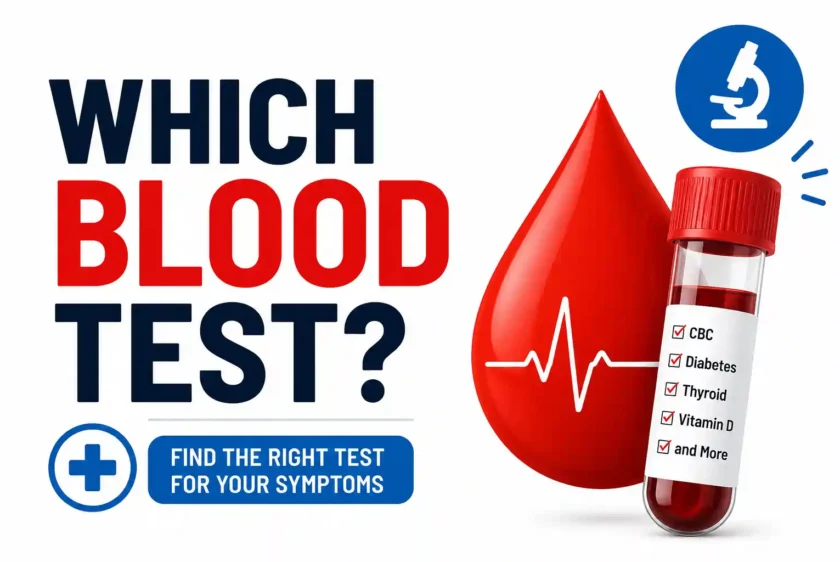
Feeling tired all the time? Experiencing frequent fever, hair loss, unexplained weight changes, or high blood sugar? These symptoms can point to different health conditions, but the right blood tests can help identify the underlying cause. Early diagnosis allows doctors to recommend the most appropriate treatment before a condition worsens.
In this guide, you’ll learn about the most common blood tests, the conditions they help detect, and which test may be recommended based on your symptoms. Whether you’re considering a full body checkup or looking for a specific CBC test, HbA1c test, or thyroid test, this article will help you understand where to start.
Quick Guide: Which Blood Test Do You Need?
| If You Have… | Recommended Blood Tests |
|---|---|
| Fever | CBC Test, CRP, Dengue Test, Typhoid Test |
| Weakness or Fatigue | CBC Test, Ferritin, Vitamin D, Vitamin B12 |
| Frequent Urination | Blood Sugar Test, HbA1c Test |
| Hair Loss | Ferritin Test, Vitamin D Test, Thyroid Test |
| Weight Gain | Thyroid Function Test |
| Weight Loss | HbA1c Test, Thyroid Test |
| High Cholesterol | Lipid Profile |
| Liver Problems | Liver Function Test (LFT) |
| Kidney Problems | Kidney Function Test (KFT/RFT) |
| Joint Pain | CRP, ESR, Uric Acid |
| Pregnancy Confirmation | Beta hCG Test |
| Allergies | Allergy Test (IgE) |
Important: Blood tests help diagnose or monitor health conditions but should always be interpreted by a qualified healthcare professional.
Why Are Blood Tests Important?
Blood tests provide valuable information about your body’s overall health. They can detect diseases in their early stages, monitor ongoing medical conditions, evaluate organ function, and identify nutritional deficiencies before symptoms become severe.
Doctors commonly recommend blood tests to:
- Diagnose infections
- Check blood sugar levels
- Detect anemia
- Assess liver and kidney function
- Measure cholesterol levels
- Identify vitamin and mineral deficiencies
- Evaluate thyroid function
- Monitor chronic diseases like diabetes
Routine blood testing can also be an important part of preventive healthcare, helping you detect potential health problems before they become serious.
Common Blood Tests and What They Detect
1. CBC (Complete Blood Count)
The CBC test is one of the most commonly requested laboratory tests. It measures your red blood cells, white blood cells, hemoglobin, hematocrit, and platelets.
Commonly Recommended For
- Fever
- Weakness
- Frequent infections
- Anemia
- General health screening
Detects
- Anemia
- Bacterial or viral infections
- Blood disorders
- Inflammation
2. Blood Sugar Test & HbA1c Test
These tests evaluate how well your body controls blood glucose levels.
While a Blood Sugar Test measures your current glucose level, the HbA1c Test shows your average blood sugar over the past 2–3 months, making it one of the best tests for diagnosing and monitoring diabetes.
Recommended If You Have
- Frequent thirst
- Frequent urination
- Blurred vision
- Unexplained weight loss
- Family history of diabetes
Detects
- Prediabetes
- Type 1 Diabetes
- Type 2 Diabetes
3. Vitamin D Test
Vitamin D deficiency is common and may not cause noticeable symptoms in its early stages.
You May Need This Test If You Have
- Bone pain
- Muscle weakness
- Fatigue
- Frequent illness
- Low sunlight exposure
Vitamin D plays an important role in maintaining healthy bones, muscles, and immune function.
4. Thyroid Function Test
Your thyroid gland controls metabolism, energy levels, and hormone production.
A Thyroid Function Test typically includes TSH, Free T3, and Free T4 to evaluate whether your thyroid is functioning properly.
Symptoms That May Require a Thyroid Test
- Sudden weight gain or weight loss
- Hair thinning
- Fatigue
- Anxiety
- Irregular menstrual cycles
- Cold intolerance
Helps Detect
- Hypothyroidism
- Hyperthyroidism
- Thyroid disorders
5. Lipid Profile
A Lipid Profile measures cholesterol and triglyceride levels to assess your risk of cardiovascular disease.
Recommended For
- Adults over 30
- People with diabetes
- Individuals with high blood pressure
- Family history of heart disease
The test measures:
- Total Cholesterol
- HDL (Good Cholesterol)
- LDL (Bad Cholesterol)
- Triglycerides
Keeping cholesterol under control can significantly reduce the risk of heart attack and stroke.
Liver Function Test (LFT)
Your liver is responsible for filtering toxins, producing essential proteins, and supporting digestion. A Liver Function Test (LFT) measures enzymes and proteins in your blood to assess how well your liver is working.
You may need an LFT if you have:
- Yellowing of the skin or eyes (Jaundice)
- Dark-colored urine
- Persistent nausea or vomiting
- Pain in the upper right abdomen
- Fatigue without a known cause
What an LFT can help detect:
- Fatty liver disease
- Hepatitis B and Hepatitis C
- Liver inflammation
- Alcohol-related liver damage
- Liver cirrhosis
Expert Tip: If your doctor suspects a liver problem, an LFT is often recommended alongside Hepatitis B and Hepatitis C screening for a more complete evaluation.
Kidney Function Test (KFT/RFT)
The kidneys filter waste from your blood and maintain the body’s fluid and electrolyte balance. A Kidney Function Test (KFT), also known as a Renal Function Test (RFT), checks whether your kidneys are functioning properly.
Common symptoms include:
- Swelling of the feet or face
- High blood pressure
- Changes in urination
- Persistent fatigue
- Lower back pain
This test helps detect:
- Chronic kidney disease
- Kidney infection
- Kidney stones
- Dehydration
- Reduced kidney function
Ferritin & Vitamin B12 Tests
Feeling tired despite getting enough sleep? Hair loss, dizziness, and poor concentration can sometimes be caused by iron deficiency or Vitamin B12 deficiency.
Ferritin Test
A Ferritin Test measures the body’s iron stores.
Recommended if you have:
- Hair loss
- Weakness
- Pale skin
- Frequent headaches
- Heavy menstrual bleeding
Vitamin B12 Test
A Vitamin B12 Test helps identify vitamin deficiencies that affect nerves and red blood cell production.
Recommended if you have:
- Tingling in hands or feet
- Memory problems
- Fatigue
- Difficulty concentrating
- Numbness
Dengue & Typhoid Tests
High fever is common in Pakistan, especially during the monsoon season. While symptoms may appear similar, dengue and typhoid require different treatments.
| Condition | Common Symptoms | Recommended Test |
|---|---|---|
| Dengue | High fever, body pain, rash | Dengue NS1 Antigen / IgM / IgG |
| Typhoid | Fever, abdominal pain, weakness | Typhoid IgM / Blood Culture |
| General Infection | Fever, chills | CBC Test, CRP |
Getting tested early can help your doctor make an accurate diagnosis and begin the appropriate treatment without delay.
Full Body Checkup: Who Should Get One?
A Full Body Checkup is a preventive health screening designed to assess your overall health, even if you feel well.
It is especially recommended for:
- Adults over 30 years
- People with diabetes or high blood pressure
- Individuals with a family history of chronic diseases
- Working professionals
- Anyone who hasn’t had routine health screening in the last year
A comprehensive health checkup may include:
- CBC Test
- Blood Sugar Test
- HbA1c Test
- Lipid Profile
- Liver Function Test (LFT)
- Kidney Function Test (KFT)
- Thyroid Function Test
- Vitamin D Test
- Urine Examination
Routine screening can help identify health issues before symptoms develop, making treatment more effective.
Frequently Asked Questions
Which blood test is best for weakness?
Doctors often recommend a CBC Test, Ferritin Test, Vitamin D Test, and Vitamin B12 Test to investigate persistent weakness or fatigue.
Which blood test detects diabetes?
The HbA1c Test is commonly used to diagnose and monitor diabetes because it reflects your average blood sugar over the past 2–3 months. A Blood Sugar Test measures your current glucose level.
Which blood test checks liver function?
A Liver Function Test (LFT) measures enzymes and proteins to evaluate liver health and detect liver disease.
Which blood test checks kidney function?
A Kidney Function Test (KFT/RFT) assesses kidney performance by measuring markers such as creatinine and urea.
How often should I get blood tests?
Healthy adults should consider routine blood tests every 12 months. People with chronic conditions or specific medical concerns may require testing more frequently, as advised by their healthcare provider.
Why Choose Nayab Labs & Diagnostic Centre?
When choosing a diagnostic laboratory, accuracy and reliability matter.
At Nayab Labs & Diagnostic Centre, we are committed to delivering high-quality laboratory services with patient convenience in mind.
Our Services Include:
- Comprehensive Blood Tests
- Full Body Checkup Packages
- Home Blood Sample Collection
- Health Screening for Individuals and Families
- Fast & Accurate Reporting
- Experienced Laboratory Professionals
Whether you need a routine blood test or a specialized diagnostic investigation, our team is dedicated to providing reliable results to support informed healthcare decisions.
Conclusion
Blood tests are among the most valuable tools for detecting diseases early, monitoring ongoing health conditions, and guiding medical treatment. Whether you’re experiencing fatigue, fever, weight changes, hair loss, or simply want a routine health checkup, the right laboratory tests can provide important insights into your overall health.
If you’re unsure which blood test is right for your symptoms, consult a qualified healthcare professional. Timely testing, combined with expert medical advice, can help identify health concerns early and improve long-term outcomes.
If you’re in Islamabad or Rawalpindi, you can also benefit from home blood sample collection, making it easier and more convenient to get tested without visiting the laboratory.
Medical Disclaimer
This article is intended for educational purposes only and should not be considered medical advice. Blood test recommendations may vary based on your age, symptoms, medical history, and overall health. Always consult a qualified healthcare professional before making decisions regarding diagnosis or treatment.